
Nutrition during pregnancy

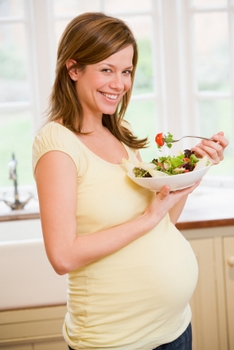
During pregnancy, every woman should pay special attention to nutrition, because it depends on proper nutrition health and full development of the unborn child. Power pregnant woman should be rational – sufficient for the mother and fetus. Everything, it is necessary to your child at this time, he will receive from you.
Adequate nutrition of pregnant not only ensures proper ripening of the fruit and, but complex physiological adjustment, associated with the development of lactation mechanisms.
Fetal growth, a significant increase in uterine weight, changes in the mammary glands – all this stressful process. Therefore, nutrition of pregnant women should be primarily aimed at ensuring the increased needs of the organism in all the main ingredients. Failure to comply with this principle, applying different constraints, especially protein and fat, as previously practiced in obstetric practice to reduce the frequency and severity of preeclampsia, always fraught with negative consequences for the developing fetus, and lactation function of mother.
The body's need for nutrients during pregnancy
Protein requirements during pregnancy is 1,2-1,5 g / kg body weight daily diet is 60-80-100 g, and protein needs should be met mainly high-grade animal protein. The daily diet should include lean meats to 120-200 g or fish – 150-250 g per day.
Milk and milk products are included in the diet as a source of protein, and as the main supplier of calcium and phosphorus. The daily amount of drinking milk may reach 1 l.
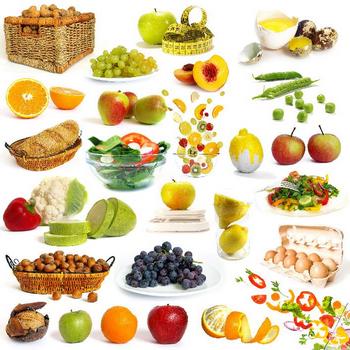
Number of fat – 80-100 g per day. It is advisable to replace part of the butter cream. Be sure to consume 15-20 g oil.
Completely should be included in the diet of pregnant raw vegetables and fresh fruit in relation to 2:1. At the same time, it is desirable to avoid excessive intake of carbohydrates, their daily amount is limited 350-450 g.
A particular problem in the diet of pregnant women is providing iron. The daily requirement of iron is about 15-20 mg. To maintain this amount of iron in the diet should be regularly include dishes from the liver, egg yolk, full of porridge – buckwheat and oatmeal, Fresh apples. In the case of a pregnant woman signs anemizatsii recommended the appointment of iron supplementation.
Standards provide a pregnant woman vitamin rather high. So, ascorbic acid must be at least 500 mg, vitamin A – 6600 ME, prichem two-thirds – due to carotene, Vitamin B1 – 2,5 mg, IN 2 – 3,0 mg, AT 6 – 4,0 mg, RR – 20 mg per day.
At impossibility of adequate intake of natural fresh fruit and raw vegetables need for vitamins may be compensated for by the appointment of vitamin preparations, However, the extent of the compensation is always full.
Dietary restrictions and harmful to a pregnant woman Products
Dietary restriction in pregnant women can relate primarily salt – Avoid salty foods, However, the normal salting food is quite acceptable.
The most harmful in the diet of pregnant women are very hot and spicy dishes, fried and fatty foods, frankfurters, sausage, ham and bacon, chocolate, coffee, alcoholic drinks, mint, pone, Fresh bread, fatty meats and fish, vegetables, containing coarse vegetable fiber, hard-boiled eggs, sour grades of berries and fruits, ice cream, black coffee, carbonated drinks, sharp pickled dishes and spices.
In case of edema, pregnant need to limit fluid intake. Should abstain from those foods and dishes, after which use earlier experience an allergic reaction or skin eruptions.
Power gestosis
In the case of preeclampsia expedient to cottage cheese and dairy days. The diet can consist of the day of 400 g of cottage cheese and 100 g sour cream with sugar or 1 liters of milk with cheese, Distributed on 5-6 Servings. Dairy products in a set of substitute meat and fish. Vegetables and fruits should be stored in the milk diet. The body of every woman is unique, therefore during pregnancy and the formation of the fruit have their own characteristics. Do not blindly follow anyone's advice. Listen carefully to your own body, common sense and the doctor's recommendations, that you watch.
Remember! Smoking and drinking alcohol harm you and your unborn child.
Heartburn and indigestion during pregnancy
In addition to the previously agreed issues, There is one more unpleasant phenomenon during pregnancy is very common – indigestion and heartburn.
Could this affect the child? Until, as long as you eat right, the child does not feel any discomfort, and you feel uncomfortable and unpleasant sensations, associated with the work of the gastrointestinal tract. So, The answer is unequivocal – no, heartburn and indigestion for a child can not affect.
Why do I get indigestion and heartburn?
Heartburn occurs when, when the muscular ring (valve), separates the esophagus from the stomach, relaxes, that allows food and gastric juices from the stomach back into the esophagus. Stomach acid irritates very sensitive esophageal mucosa, causing a burning sensation. During the last two trimesters of pregnancy heartburn may increase, as the uterus enlarges and puts pressure on the stomach more.
How to deal with stomach disorders during pregnancy?
- Do not smoke during pregnancy.
- Avoid overeating, as it is very overloaded stomach.
- Do not wear tight things, tightening waist and abdomen.
- Eat slowly, chew.
- Eliminate from your diet foods, which can cause gastrointestinal discomfort.
- Meals should be frequent – 5-7 once a day in small portions, last meal – for 3 hours before bedtime.
- After the meal should not lie down for 30-40 minutes, Since the horizontal body position provokes casting hydrochloric acid from the stomach into the esophagus. Walk at least a few minutes, or wait.
- Do not bend at the waist, Instead, bend your knees.
- Drink alkaline mineral non-carbonated water.
- Care should be taken, every day was going to bowel movements.
- Try to drink at night glass of warm milk.
- Eat a little grated carrot. You will be surprised, as an effective means.
- Avoid substances, containing soda.
- If possible, avoid taking medications, which enhance heartburn.
It should be taken into account, that some antacids cause constipation or diarrhea. Talk to your doctor about these phenomena, ask to recommend a remedy acidity.
